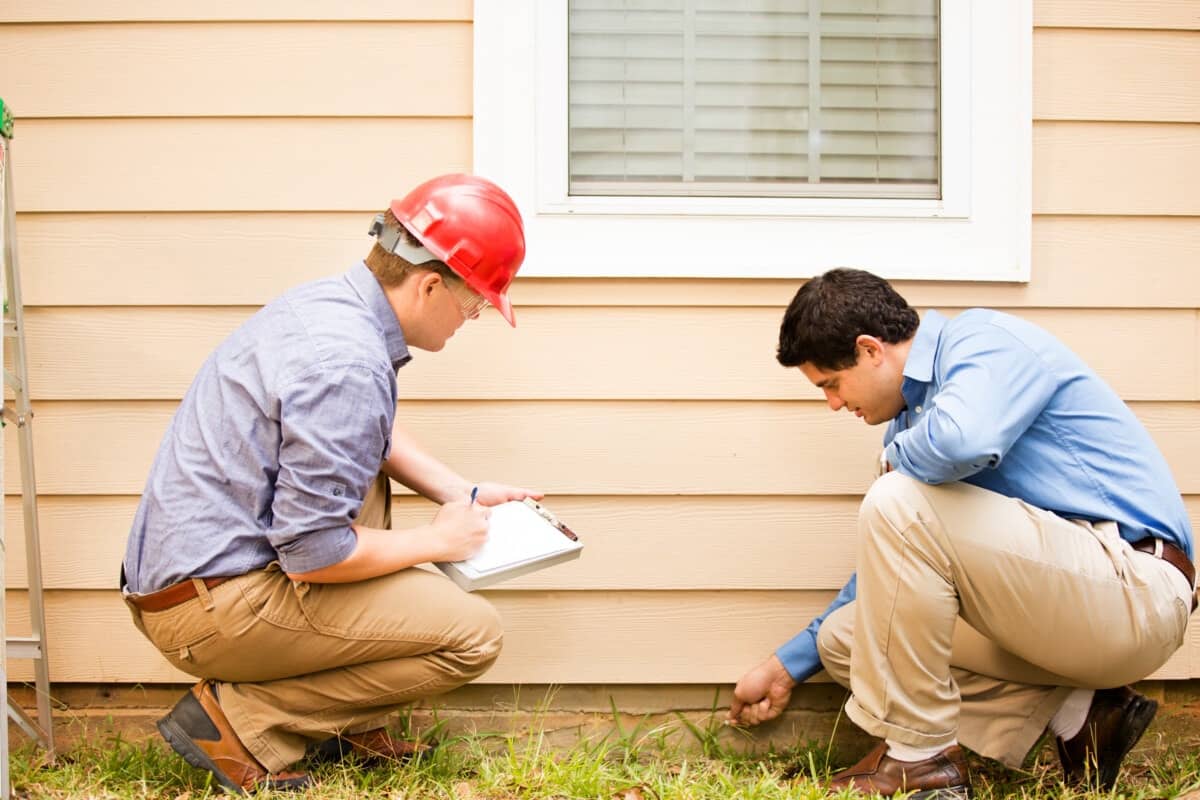

10 Home Inspection Questions Every Buyer Should Ask
Picturing cozy evenings by the fireplace is the fun part of buying a home. The home inspection is the part that protects your wallet. A good inspector sees past the staging and finds defects you would never spot yourself, the kind that can cost thousands after closing.
Geni Manning, founder and principal agent of The Geni Manning Real Estate Group in the Dallas/Fort Worth area, says an inspection is more than a safety check. It’s also your chance to get to know the home you’re about to own.
Use this home inspection checklist of ten questions to make the most of it.
1. How Old Is the Roof, and Has It Leaked?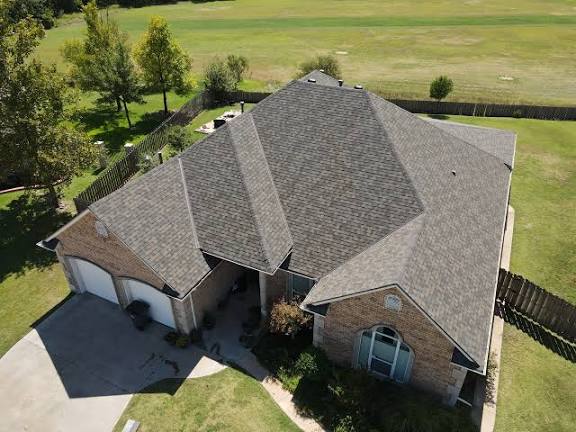
Inspectors look for missing shingles, weather damage, structural problems, and signs of water intrusion. A replacement can cost $20,000 to $100,000, depending on size and materials. A failing roof can also lead to water damage and mold, and it may force you to delay that dream kitchen. Geni’s advice is to treat the roof as the top priority.
2. Are There Structural Issues?
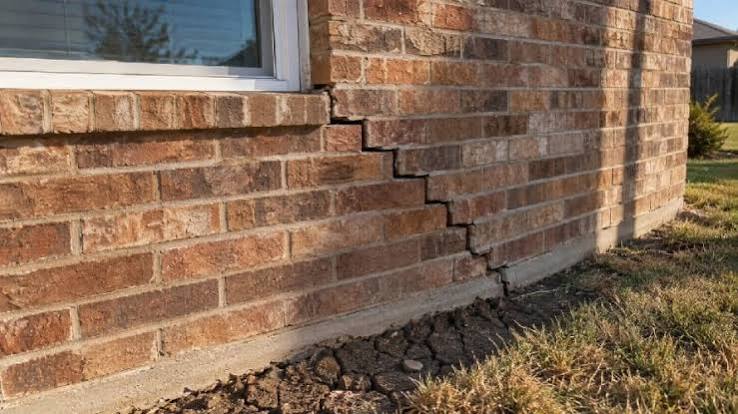 Your inspector will check the foundation, floors, joists, and walls for cracks, bulges, and sloping. Structural repairs get expensive fast, and serious findings may make you reconsider the purchase.
3. What Seasonal Maintenance Should I Plan For?
Every home needs routine care, from sprinkler start-up and shutdown to HVAC servicing and professional chimney cleaning. See Monthly Guide To Home Maintenance a season-by-season maintenance schedule so you can plan your time and budget.
4. Can Pests or Animals Get Into the House?
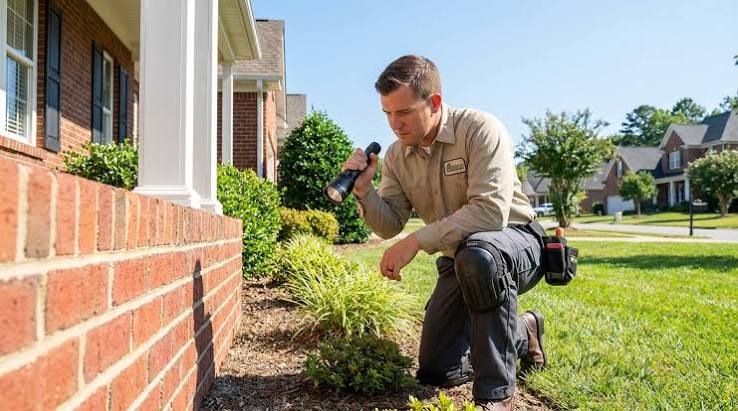 Geni asks inspectors to check every gap where critters could enter, including the crawl space, attic, roof, and exterior. In her experience, every home needs a careful inspection to identify if there is some point of entry. Unsealed cracks let in rodents and moisture, which are costly to fix and can affect your health.
5. Is There Any Evidence of Mold?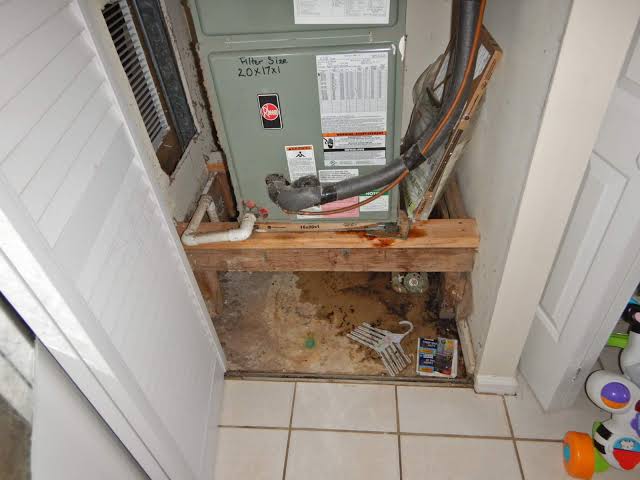
Bathrooms, HVAC closets, attics, kitchens, and laundry rooms are the most mold-prone spots. Finding the water source feeding the mold matters most, and Geni says it can make or break a deal. Untreated mold spreads, bringing health risks and steep cleanup bills.
6. How Does Rainwater Flow Through the Property?
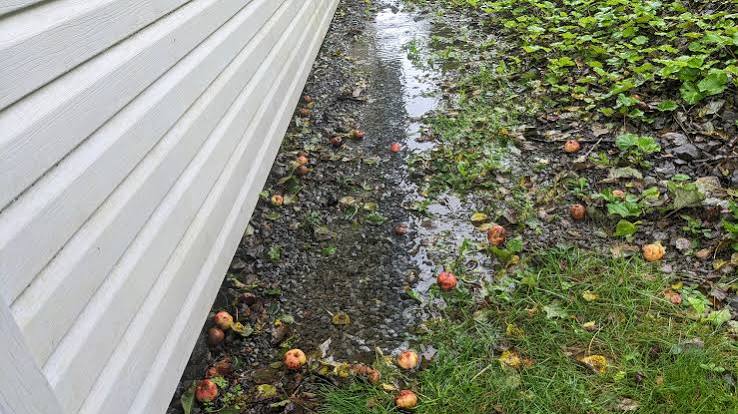 Check that gutters are clear, downspouts direct water away from the house, and French drains or sump pumps are in place. As Geni puts it, the goal is that no water gets into the house. Poor drainage can undermine the foundation and cause lasting moisture and insect problems.
7. Is the Insulation Efficient?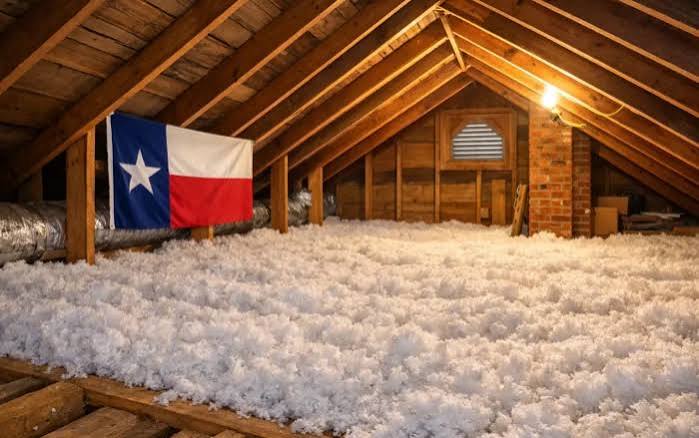
In any climate, good insulation keeps energy bills down and temperatures comfortable. If the home needs new or additional insulation, consider asking the seller to cover the cost before closing.
8. How Old Are the Windows?
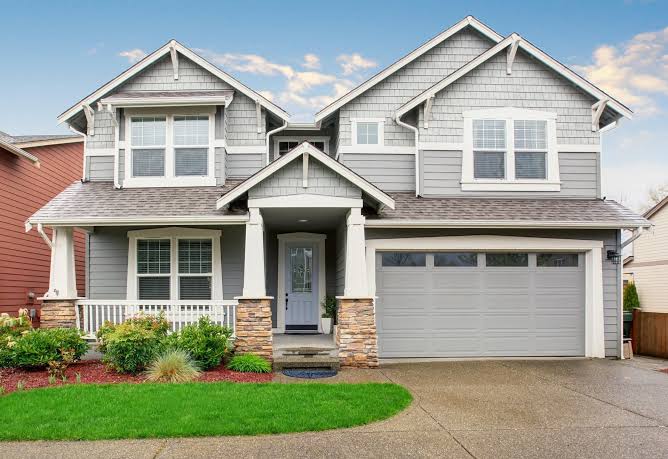 Older homes have charm, but single-pane windows waste energy, while double-pane windows insulate better. Your inspector should check for leaky seals, windows that stick, and trapped condensation. Replacement can be costly, but acting early saves on heating and cooling.
9. Is the Electrical System Up to Code?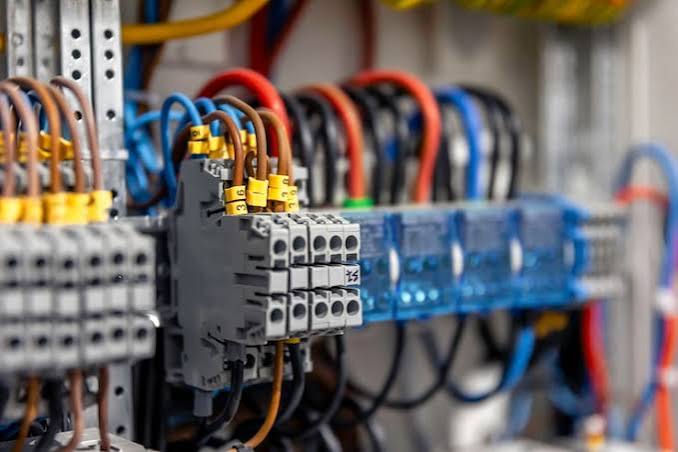
Inspectors examine the wiring, outlets, and main circuit breaker for safety and function. Don’t overlook electrical problems. Outdated or faulty systems are a serious fire hazard and need immediate professional repair.
10. What Additions or Remodeling Are Permitted?
 Zoning and permit rules vary by city. Confirm that past renovations were legal, and check whether you can build what you’re planning, whether that’s a garage, deck, or gazebo. You don’t want to learn after closing that your dream accessory dwelling unit isn’t allowed.
The Bottom Line
A home inspection works best when you show up with questions. Ask these ten, and you’ll know what the house needs and what it will cost before you sign.
SUGGESTIONS FOR FIRST MEETING WITH YOUR DIVORCE ATTORNEY